Showing posts with label Digital tourism. Show all posts

Friday, 25 April 2014

Digital Signage Is Replacing Printed Signage

There is a significant trend of IT in hospitality industry, the digital signage technology is much more popular than the traditional printed signage and information board in hotels. The big hotels such as Marriott and Sheraton are the leading participant of this. They use this application to allow the clients in line or in the lobby to send Messages about the hotel or other suggestions. In addition, the F&B department use to the board to launch specials and events.

Digital signage is a variety of hardware to deliver the content. This kind of digital sign installation includes one or more screens and media players. Then all the components is display the single device. The content management is connected with media player over a network. And this kind of digital sign device connect all the other device to provide service as they required.


This concept is already existed in some hotels for years before. This channel of hotel chaines is used to inform clients about all the information about the hotels such as the restaurant, amenities or in-room service. In these years, the information is in the other way to show out of the rooms. They used to use flat screen monitors and digital signage networks to not only serve the clients and also to improve the atmosphere of the restaurant and the hallways.

In many big hotels, they provide conference room to organize the big event of many people. The digital signage provide the first time information to keep in touch with the delegates and all the updates. Digital signage could improve the efficiency of the event directly and make the organization much easier. This technology trend is likely to be seen in the future hospitality in the hotels.  In the other hands, digital sign are much more used to the following functions:

  • Update informations: weather, local situation, traffic, map, tips 
  • Internal information: meeting information
  • Restaurant information: meals, price, photos
  • Advertising: launch the event, hotel and also the sponsors
  • Improve customer experience: provide the applications that could interact with clients


In this way, digital signage should be well used in the hospitality sectors to help the organizers and also the staffs to improve the service quality. An intelligent content is the key to connect the information with people. That could help business to grow fast and link information with live data in this digital world.

“Digital signage software will eventually be used by hotels and other hospitality sectors to help others make decisions, not only staff, but also suppliers,” forecasts Collard. “Suppliers could automatically be informed if 50 new sheets have to be ordered, or when fresh fruits and vegetables need to be delivered. Intelligent content is catching on with people and helping link information with live data and business rules to drive content.”


Written by Pinyi & Yi

Source:

Thursday, 28 March 2013

Digital Tourism: Challenges of augmented reality


Invisible, attentive and adaptive technologies that provide tourists with relevant services and information anytime and anywhere may no longer be a vision from the future. The new display paradigm, stemming from the synergy of new mobile devices, context-awareness and AR, has the potential to enhance tourists’ experiences and make them exceptional.

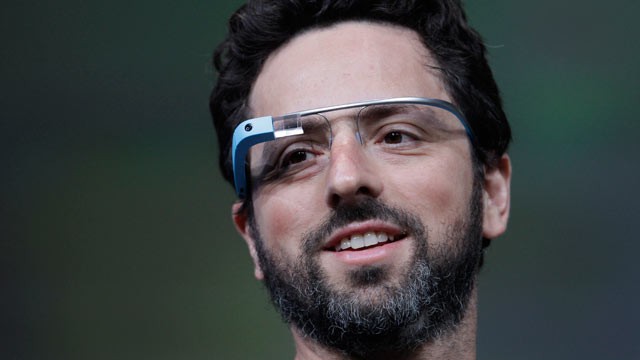
Augmented reality today requires a tablet or smartphone. Tomorrow, it would be via Google Glass. At the same time when the Google Glass shows up, augmented reality is back in the news. This is one of the topics discussed at the Digital Tourism Forum.

The Biplane Company prepares an application that will revive the Allied landings on the French coast. "We can see the Canadiens in the water, in 3D, off the Arromanches," said Lionel Guillaume, Chief of Innovation at Biplane video agency at the end of a workshop on augmented reality organized under the Digital Forum in Deauville (25 and 26 March).

Ad hoc content
Augmented reality allows a mobile or tablet user to relive a period of history on site with a historical characters or a virtual guide, but also to show a monument in its age of glory. It is now possible to discover, as a view of the mind, the Berlin Wall or the Colosseum intact, by superimposing images. The Abbey of Cluny was implemented: the visitor guides the screen to the monument, and can observe resituated vestiges. It is a way to revive the heritage.
Regarding pageants, it is often necessary to use archival documents and to supplement them by research. "Augmented reality will become very present in our daily lives, hammered Stéphane Singier, consultant for studies and Grand Paris digital, cluster Cap Digital, at the Forum in Deauville. We should now think about the cultural and heritage content that could be enhance through this process ".

The budget
This technology inserts graphics images on the real world. "You create an artificial world in which you can move, said Lionel Guillaume. To create this immersion, you must collect data and make 3D modeling. Sometimes research can be complicated." The budget increases accordingly. For the castle of Cherbourg, the budget amounted to about 100 000 €, including archaeological study. Moreover, it’s important to reassure the guides on the site, worried about their role in the future.
Investments are lower, and made easy with the "false augmented reality" without the need of the smartphone's camera, but still with the geolocation of the mobile or tablet. "A camera films at 360 ° says Vincent Burgevin, founder of the new company OnSpot. The designer takes these images and features special effects such as an explosion, from his computer." The consumer has to post where the movie was made, to be immersed in the past or the future. The budget will be from 10 000 € to 30 000 € for a 3 minute film.

Alexis & Garbiel

http://www.bbc.co.uk/news/technology-17618495
http://www.tourisme-numerique.com/actualites.html